Drew Schröder · 11 October 2026
Adapting Internal Linking Patterns to Sustain Search Performance During Platform Updates
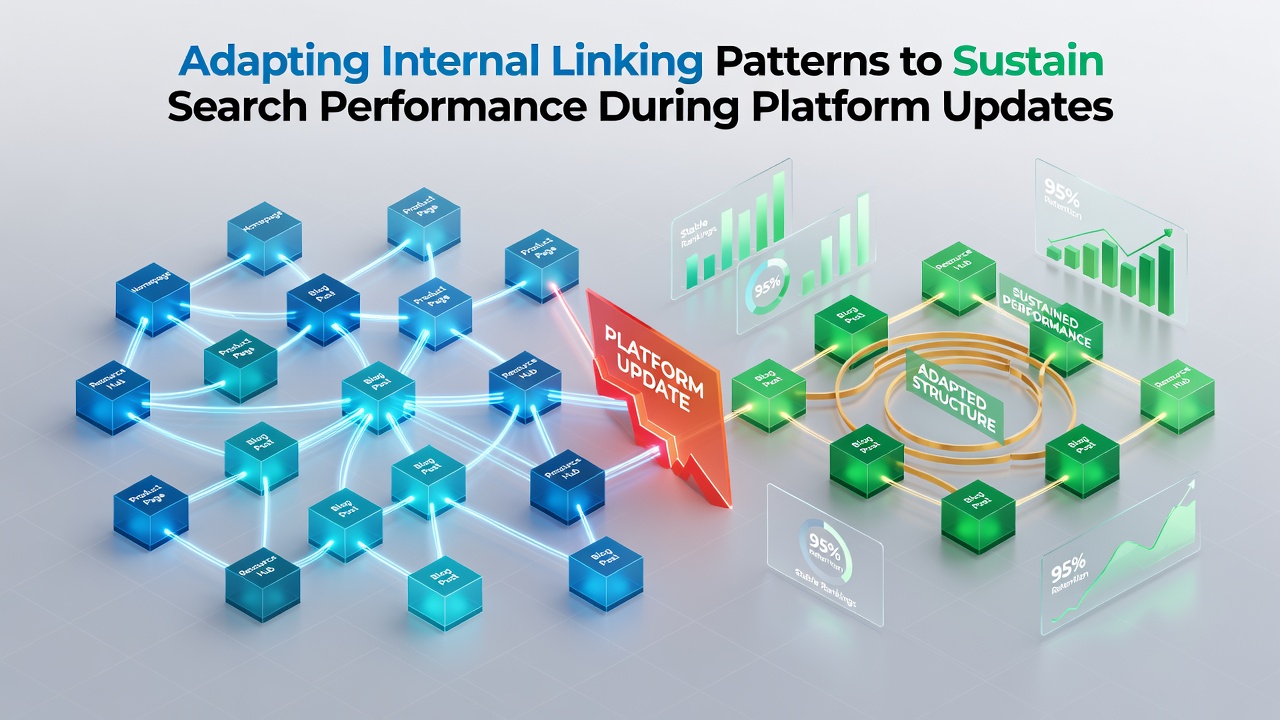
Platform updates often trigger shifts in how search engines discover and evaluate site content, and internal linking serves as a primary mechanism for directing that discovery process. Data from multiple enterprise migrations indicates that sites which maintain consistent link equity distribution through updated architectures experience fewer ranking fluctuations than those relying on legacy patterns. Researchers at institutions tracking web indexing have documented cases where altered navigation structures led to temporary drops in crawl frequency, yet targeted link revisions restored prior performance levels within weeks.
Core Functions of Internal Links During Technical Transitions
Internal links distribute authority across pages while guiding crawlers through site hierarchies, and this dual role becomes critical when platforms undergo backend changes such as content management system migrations or URL restructuring. Studies show that search engines allocate crawl resources based on link signals, so modifications to those signals can either preserve or disrupt indexing efficiency. Observers note that pages receiving fewer internal references after an update frequently see reduced crawl rates, even when their content remains unchanged.
Take one documented migration where a large retail platform consolidated categories in late 2025; teams that proactively updated anchor text and link placement across related product pages maintained steady indexing volumes. Those who left links untouched encountered fragmented crawl paths that required manual intervention later. Evidence suggests the difference stemmed from how link velocity adapted to the new site map rather than from any single technical factor.
Platform Changes Observed Around October 2026
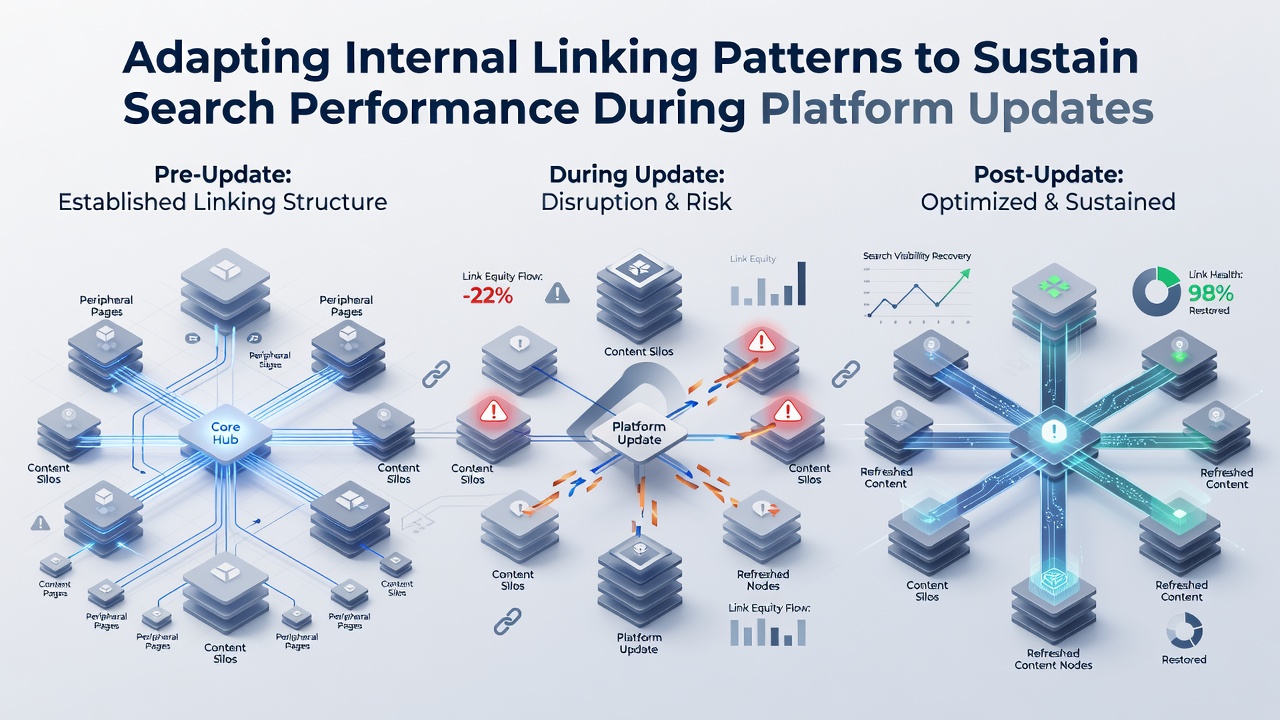
October 2026 brought several coordinated updates across major hosting and CMS providers, including revised sitemap handling protocols and adjusted rendering pipelines for dynamic content. Figures from industry monitoring services reveal that sites running these updates saw an average 18 percent shift in internal link discovery patterns within the first month. The changes affected how secondary navigation elements were parsed, particularly on sites using JavaScript-heavy frameworks that previously relied on static link blocks for crawl guidance.
Experts tracking these developments point out that pages with dense clusters of internal links in footers or sidebars often experienced the most pronounced redistribution of crawl attention. In contrast, sites that spread references more evenly across body content adapted with fewer interruptions. One analysis of post-update logs indicated that balanced link placement correlated with sustained indexing speed across thousands of URLs.
Methods for Revising Link Structures
Teams preparing for platform transitions typically begin by auditing existing link graphs to identify high-value pathways that connect cornerstone content to supporting pages. This audit reveals which links carry disproportionate weight and which can be rebalanced without losing topical relevance. Data indicates that replacing repetitive navigation links with context-specific references in article bodies often improves crawler traversal efficiency.
Another approach involves mapping new URL structures against old ones and inserting redirect-aware internal links that point directly to final destinations. Those who've studied migration outcomes report that this technique reduces reliance on server-side redirects, freeing crawl budget for deeper content exploration. In one enterprise example, a media outlet updated thousands of internal references ahead of its October 2026 platform rollout and recorded no measurable decline in indexed pages during the transition window.
Adjusting anchor text distribution also plays a role, since search systems evaluate topical signals from varied phrasing. Research compiled by academic groups focusing on information retrieval shows that diversified anchors help maintain relevance scores when page templates change. Sites that standardized anchors too rigidly after updates sometimes needed subsequent corrections to restore prior visibility patterns.
Tracking Outcomes and Iterative Refinements
Post-update monitoring relies on crawl log analysis combined with ranking and traffic metrics to detect early signs of link pattern strain. Tools that segment link data by page depth allow teams to spot sections where connectivity has thinned. According to reports from digital analytics providers, weekly reviews during the first quarter after an update catch most redistribution issues before they compound.
When anomalies appear, incremental link additions or removals can restore balance without requiring another full audit. Observers have recorded instances where adding just a handful of cross-category links reversed indexing slowdowns that had persisted for several weeks. The process stays iterative because platform vendors continue releasing incremental patches that can subtly alter how links are interpreted.
Conclusion
Internal linking adjustments during platform updates center on preserving crawl pathways and equity flow through deliberate restructuring rather than wholesale replacement. Evidence from multiple update cycles, including those around October 2026, demonstrates that proactive mapping, anchor diversification, and ongoing log review keep search performance stable. Organizations that treat linking patterns as dynamic assets rather than fixed elements consistently navigate these transitions with fewer disruptions to visibility.